
Reimbursement of Funeral Costs
Funeral Costs: Your Rights and Limitations
Who is Entitled to Reimbursement of Funeral Costs?
Those who have paid the funeral or cremation costs are entitled to reimbursement if the cause of death is attributable to another party. This can be any ‘third party’, but usually, it is the surviving relatives who have borne these costs. Although funeral directors sometimes point out this right, many survivors only discover later that they are entitled to compensation. This may also concern costs that were not covered by funeral insurance. Generally, those who paid the costs have up to five years after the victim’s death to claim these damages. Furthermore, the reimbursement of funeral costs is only part of the total fatal injury compensation (for a complete overview click here).
Who Reimburses the Funeral Costs?
According to Dutch law (Article 6:108 of the Civil Code), the party responsible for the death is liable for the reimbursement of funeral costs. In practice, however, these damages are often fully or partially covered and thus paid by an insurer.
Reasonable Funeral Costs: What is Reimbursed?
The law requires that the reimbursement of funeral or cremation costs must be “in accordance with the circumstances of the deceased.” This leaves room for interpretation, which can lead to discussions about what is reasonable. Practice shows that costs that are reasonable in relation to the deceased’s standard of living are reimbursed. It should not be too luxurious, nor does it have to be too meager. The social circle in which the deceased moved must also be taken into account.
To keep the costs eligible for reimbursement reasonable, there are several categories of funeral or cremation expenses:
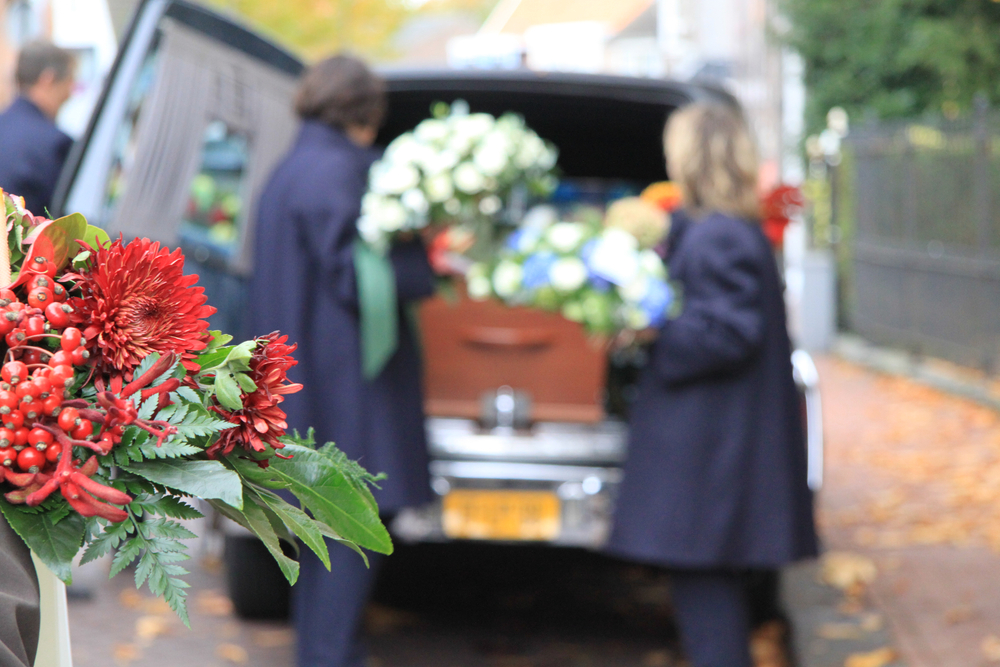
- the ‘basic’ funeral costs, such as the casket, hearse, memorial service, and the funeral director;
- additional costs such as funeral cards, advertisements, flowers, condolence register, thank-you cards, and costs for the livestream;
- Special costs, such as a headstone, a piece of jewelry, and more remote costs such as travel expenses for the surviving relatives.
Complex Situations and Cultural Considerations
The assessment of what constitutes reasonable costs can be complicated by cultural, ethnic, or religious customs where some families desire special rituals or gatherings. In consultation with the liable insurer or through a court ruling, it then becomes clear what is reasonable under these special circumstances.
Funeral Insurance and Benefits
If the deceased had funeral insurance, the reimbursement depends on the policy conditions. In-kind benefits often cover specific services. If these are insufficient compared to the deceased’s current standard of living, survivors can claim for additional costs. It is possible that the deceased took out insurance at a time when they had a lower standard of living, making the coverage insufficient at the time of death.
Legal Complexity
Claiming compensation after a death can be legally complex. Compensation for the funeral is based on the wrongful act committed against the deceased. Some other damage components are based on the wrongful act committed specifically against the surviving relatives of the deceased. Although the deceased can no longer file a claim, survivors have the right to claim damages they suffer and costs they have incurred, based on the damage caused by the death.
Importance of Cost Control
It is essential that survivors are aware of the requirement for the reasonableness of the costs incurred. Unreasonable (high) costs may not qualify for reimbursement, and it is important that all expenses can be well-substantiated. The Consumers’ Association (Consumentenbond) has provided guidelines for various funeral costs, but this also depends on the deceased’s standard of living. Link: Funeral costs (burial or cremation) | Consumentenbond
Free Legal Assistance from Letsolv
Letsolv Fatal Injury provides free legal assistance for survivors who wish to file a claim for fatal injury compensation. This service does not require insurance, as the costs are recovered from the liable party.
Tax Considerations
The direct costs of a funeral or cremation are not deductible from income tax. However, certain costs and reimbursements may be relevant for inheritance tax. Expert tax advice after receiving fatal injury compensation is recommended.
Assessment of Your Claim at Letsolv
To determine whether you qualify for reimbursement of funeral costs and other fatal injury damages, Letsolv offers a free assessment. Our experts are ready to support you in navigating the complex process of damage claims following a death.
Contact us via our contact form or call directly at 085-1308965 for expert legal help.
For more information on claiming reimbursements for funeral costs, also visit the website of the Consumentenbond
More information about:
Types of Fatal Accident Damages
Do you wish to wait no longer?
Then make an appointment with one of our fatal accident damage specialists without any obligation. Together, we will discuss your situation and determine whether you may be entitled to compensation. Schedule an appointment now

